The Environmental Benefits of Recycling Electronics
The Environmental Benefits of Recycling Electronics
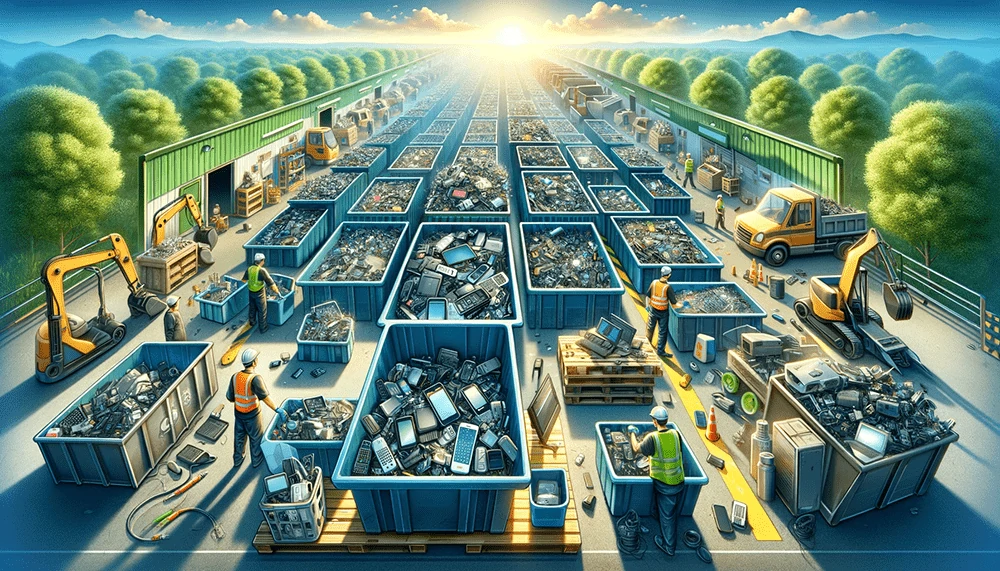
What do you usually do with an old phone, a broken laptop, or that charger that doesn’t work anymore? Throw it in a drawer? Or maybe in the trash? Around the world, we create millions of tons of electronic waste (e-waste) every year. And here’s the shocking part: less than 25% of it gets recycled.
When electronics are not recycled, they often end up in landfills where they can harm the environment. Toxic materials like lead and mercury can leak into the soil and water.
The good news is that recycling e-waste can help the environment. It helps protect the environment, saves valuable materials, and reduces pollution.
In this blog, we’ll explain the main environmental benefits of recycling electronics and how Rapid Solutions can help you recycle safely and responsibly.
read more: where to recycle old electronics

our services: data destruction services
Benefits of Recycling Electronics in Environment
Electronics contain valuable materials like gold, copper, and silver, as well as harmful substances like lead and mercury. For example, recycling one million laptops can save enough energy to power over 3,500 homes for a year. These facts show how important it is to recycle electronics and reduce environmental damage.
Here are the environmental benefits of recycling electronics, along with ways recycling electronics protect the planet and conserve valuable resources:
read more: what to do with old cell phones

1. Reducing Pollution
Old electronics contain harmful materials like lead, mercury, and cadmium. If these devices are thrown into landfills, these toxic substances can leak into the soil and water, polluting the environment. Recycling prevents this by safely removing and handling these materials, keeping our air, land, and water cleaner.
read more : electronic waste technology
2. Saving Natural Resources
There are many precious metals in electronic devices like (gold, copper, aluminum), plastics, and glass. Mining and manufacturing these materials use a lot of energy and water. By recycling, we can recover and reuse these materials instead of extracting new ones. This helps preserve natural resources for future generations.
read more: factors affecting laptop resale value
3. Reducing Greenhouse Gas Emissions
Producing new electronics from raw materials requires a lot of energy, which often comes from burning fossil fuels. This process releases greenhouse gases that contribute to climate change. Recycling electronics uses much less energy compared to making products from scratch, which helps reduce carbon emissions.
read more: itad vs e-waste recycling
4. Saving Energy
Recycling old electronics saves a significant amount of energy. For example, recycling metals like aluminum and copper from e-waste uses much less energy than mining and processing new metals. This energy saving benefits the environment by lowering overall demand for energy production.
read more: benefits of e-waste recycling
5. Reducing Landfill Waste
E-waste takes up a lot of space in landfills and doesn’t break down easily. By recycling, we reduce the amount of waste sent to landfills, helping to manage waste more effectively and extend the life of landfill sites.
read more: how to make money recycling electronics
6. Supporting the Circular Economy
Recycling electronics helps build a circular economy, where materials from old products are reused to make new ones. This reduces the need for new raw materials and promotes a more sustainable manufacturing process.
read more: are electronics recyclable
7. Protecting Human Health
Improper IT asset disposition can release harmful chemicals into the air and water, posing health risks to people, especially those living near landfill sites or informal recycling operations. Recycling through certified services ensures safe handling and reduces these health risks.
8. Reducing Water Contamination
Harmful substances in electronics can easily seep into groundwater when dumped in landfills. This contaminates drinking water sources and harms aquatic life. Recycling prevents this by safely containing and processing toxic components.
read more: Lead in e-waste
9. Supporting Sustainable Manufacturing
By providing manufacturers with recycled metals and plastics, e-waste recycling reduces the need for virgin resource extraction. This means less environmental destruction from mining and drilling, and more sustainable production processes in the tech industry.
read more: why is recycling electronics important
10. Promoting Mindful Consumption
Recycling electronics helps raise awareness about the impact of e-waste. It encourages people to think twice before buying new devices and motivates them to repair, reuse, or choose eco-friendly products when possible.
Common Concern in Recycling Electronics
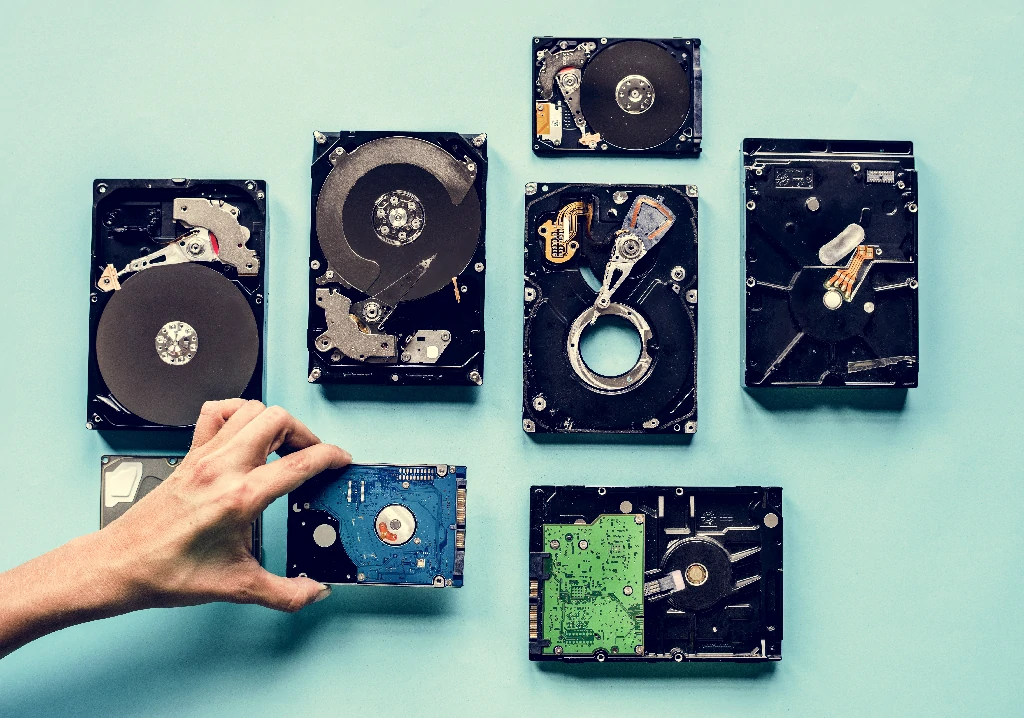
A major concern for many people when recycling electronics is what happens to their personal data. Many old devices like phones, laptops, and hard drives still hold sensitive personal or business information. If not handled properly, this data could fall into the wrong hands, leading to data leaks or even identity theft.
But don’t worry! recycling through professional and certified recyclers like Rapid Solutions ensures that all data is securely destroyed. This way, you can recycle your electronics with peace of mind, knowing your information stays safe.
Wrapping Things Up
With climate change and resource shortages becoming serious global issues, recycling e-waste is more important than ever. It helps recover valuable materials like gold, copper, and aluminum, reduces pollution, and lowers greenhouse gas emissions.
Instead of harming the planet by mining new resources, recycling keeps materials in use and supports a sustainable, circular economy.
FAQs
1. Why Should I Recycle Electronics Instead of Throwing Them Away?
Throwing electronics in the trash can release harmful chemicals into the environment. Recycling ensures safe handling and material recovery.
2. How Is Data Removed from Old Devices?
Certified recyclers use secure methods of data destruction. This protects your personal and business information.
3. Can Small Devices Like Chargers and Cables Be Recycled?
Yes, small electronics can also be recycled. They contain materials that can be recovered and reused.

Ask an Expert
Call us 24/7 or submit the form below to speak with one of our specialists.
All fields required
.png)