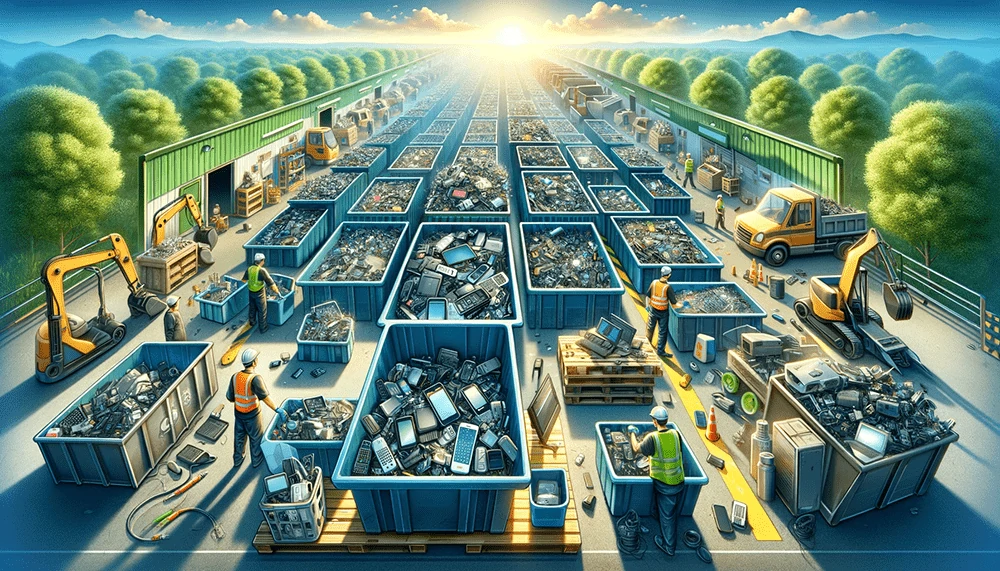
How Many Precious Metals are Found in Electronic Devices
How Many Precious Metals Are Found in Electronic Devices?
Ever wondered: How Many Precious Metals are Found in Electronic Devices? Electronics are full of valuable surprises!
When you hold a smartphone, laptop, or even an old desktop computer, you’re not just holding plastic and glass. You are holding bits of gold, silver, and other precious metals! Sounds surprising, right? But it’s true.
Electronics are packed with small amounts of rare and valuable materials that help them work smoothly. In this blog, I’ll show you which precious metals are hiding inside electronic devices, and the average amounts found in gadgets like smartphones, laptops, and more.
our services: itad services
Key Takeaways
How Many Precious Metals are Found in Electronic Devices?
By now, you’ve seen the estimated amount of precious metals found in electronics. Let’s take a closer look at how these materials are used and why they’re so valuable in electronics.
read more: why is recycling electronics important
What Precious Metals Are Inside Electronics?
Electronic devices may look sleek and modern on the outside, but inside they contain a mix of valuable materials that help them work properly. Here are the most common metals used in electronics in:
read more: are electronics recyclable

1. How Much Gold Is in Electronics?
.webp)
Gold is widely used in electronics because it carries electrical signals efficiently and does not rust or corrode over time. You can find it in circuit boards, processors, memory chips, and connectors inside many electronic devices. How much gold is used in electronics?
An average smartphone contains about 0.034 grams of gold.
A laptop may contain up to 0.5 grams, depending on the design.
Multiply that by the over 15 billion active mobile devices globally , and you’ll see why gold recovery from electronics is a big deal, industry experts estimate over $3 billion worth of gold is discarded in e-waste every year.
our industries: Healthcare ITAD Services
2. How Much Silver Is in Electronics?
.webp)
Silver is even better than gold at conducting electricity, making it a key player in contacts, switches, and solder joints. You may consider: how much silver is in a cell phone? It’s worth noting that, the amount of silver in a typical smartphone is usually less than half a gram, but with billions of devices worldwide, the total recoverable silver is enormous.
Each smartphone may carry up to 0.35 grams of silver.
Larger devices like TVs or desktops can have 1–2 grams.
Recent global e-waste reports show around 7,500 tons of silver are currently tied up in unused or discarded electronics worldwide.
3. Palladium
.webp)
This rare and expensive metal is used in multilayer ceramic capacitors (MLCCs), a key part of almost every modern electronic device.
A typical smartphone may hold around 0.015 grams of palladium.
With over 1.6 billion smartphones sold, that translates into over 24 metric tons of palladium embedded in phones alone.
4. Copper
.webp)
While copper isn’t a precious metal, it is an important one. It’s a common metal used in electronics, from printed circuit boards (PCBs) to charging ports and cooling systems.
A standard smartphone can contain 15–30 grams of copper.
A desktop computer might have over 1 kilogram of copper wiring and components.
Copper demand ontinues to increase because of electric vehicles and renewable energy infrastructure, making it a key material to recover.
5. Platinum, Tantalum, and Rhodium
.webp)
These are found in smaller quantities but are highly valuable and critical to specific components.
Tantalum is used in capacitors, especially in high-performance electronics like aerospace and military-grade systems.
Platinum is used in hard drive coatings, sensors, and specialty connectors.
Rhodium, though rare, may appear in specialized touchscreens or advanced microchips.
Why Are Precious Metals Used in Electronics?
These metals help electronic devices stay fast, reliable, and durable. Different metals are used for different purposes depending on their conductivity, resistance to corrosion, heat tolerance, and long-term stability.
For example:
Gold is commonly used in connectors and microchips because it resists corrosion and maintains stable electrical signals.
Silver is valued for its extremely high electrical conductivity, making it ideal for switches, contacts, and circuit boards.
Palladium helps improve the performance and reliability of compact electronic components such as capacitors.
Copper is widely used for wiring and power transmission because it efficiently carries electricity at a lower cost.
Without these materials, smartphones, laptops, servers, and other electronics would be less efficient and far less reliable.
What Happens When Devices Are Retired?
You may leave old electronics in storage rooms, office drawers, or throw them away. But, these devices contain valuable materials like gold, silver, and copper. When they aren’t recycled properly, those metals are simply wasted instead of being recovered and reused.
This is where companies need a trusted partner, not just to remove old tech, but to do it securely and responsibly. You may also consider: How can my company make money off our old electronics? Click on the link to find out!
RSI’s Role in Smart IT Asset Management
Rapid Solutions International (RSI) supports businesses in managing their retired IT assets with full security and compliance.
From secure data destruction to tested and verified asset handling, RSI ensures that sensitive information stays protected while helping companies act responsibly when retiring old equipment. RSI also works with certified downstream partners who know how to maximize value while minimizing environmental impact.
Final Thoughts
Next time you look at an old phone or a dusty computer, remember, it’s not just junk. It’s full of rare materials like gold, silver, and palladium. Every device has hidden value, and handling it the right way makes a difference.
FAQs
1. How Much Silver Is in a Laptop?
A laptop typically contains more silver than a smartphone because it has larger circuit boards and additional internal hardware. In most cases, laptops contain around half a gram to one gram of silver spread across soldering materials, electrical contacts, and motherboard components. Business-grade and gaming laptops may contain even more depending on their design.
2. How Much Silver Is in a Hard Drive?
Hard drives contain small amounts of silver along with other recyclable materials such as aluminum, copper, and rare metals. The silver is mainly used in electronic contacts and internal circuitry. While a single hard drive does not contain a large quantity, large-scale data center equipment can hold significant recyclable value.
3. What Happens to Precious Metals During Electronics Recycling?
When electronics are professionally recycled, the devices are taken apart and sorted into different materials. Valuable metals like gold, silver, copper, and palladium are separated and recovered. So, they can be used again in new products. This process reduces waste, lowers the need for mining, and supports a more sustainable electronics industry.

Ask an Expert
Call us 24/7 or submit the form below to speak with one of our specialists.
All fields required
![How Can My Company Make Money Off Our Old Electronics [Ultimate Guide in 2026]](https://www.rapidsolutionsint.com/uploads/blog/closeup-of-computer-hard-disk-drive-2025-02-10-10-51-11-utc.webp)