what is the definition for e-waste
What is the Definition of E-Waste?
With swift development in technologies in the digital era, more and more devices are made. Development in these areas has not just changed industries as well as daily life in a big way, but also brought a serious environmental danger in the form of electronic waste or e-waste. Being familiar with e-waste, its environmental impact, as well as its effective management, is essential in contemporary life. In this article, we will discuss the meaning of e-waste, its forms, environmental hazards, as well as its effective ways of disposal as well as recycling.
our services: Electronics Recycling Services
Defining E-Waste
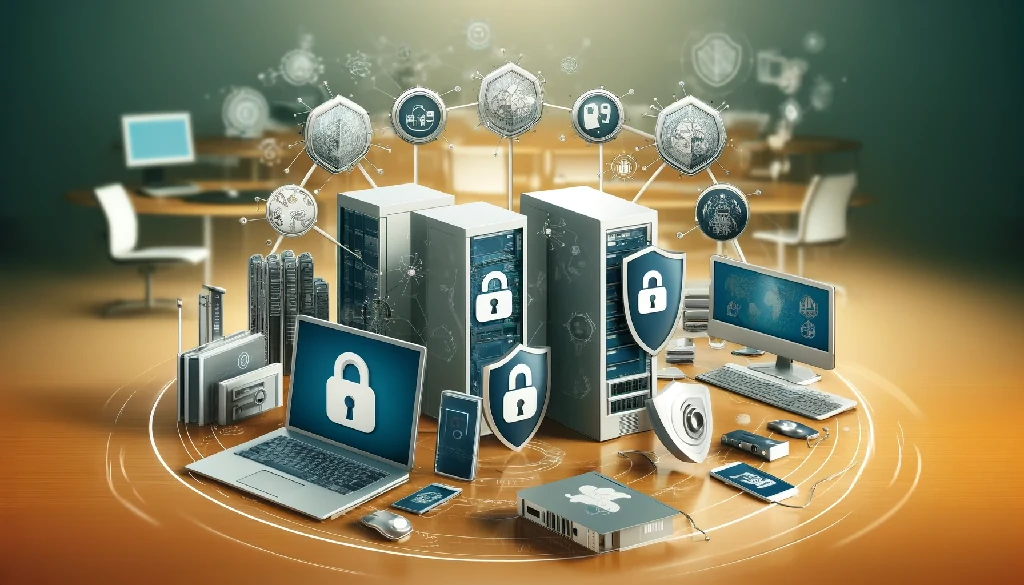
Electronic waste, also referred to as e-waste, is waste that comprises non-working electronic devices that have either been replaced with new models or are no longer in operation. The devices are from typical consumer electronics that are in regular use, from desktop computers and notebooks to industrial machines. The Basel Convention, a global agreement that addresses hazardous waste, defines e-waste as electrically operated or electronic devices that are waste, which includes all parts, sub-assemblies, and consumables that are a component of the product.
read more: environmental impact of e waste
Common Types of E-Waste
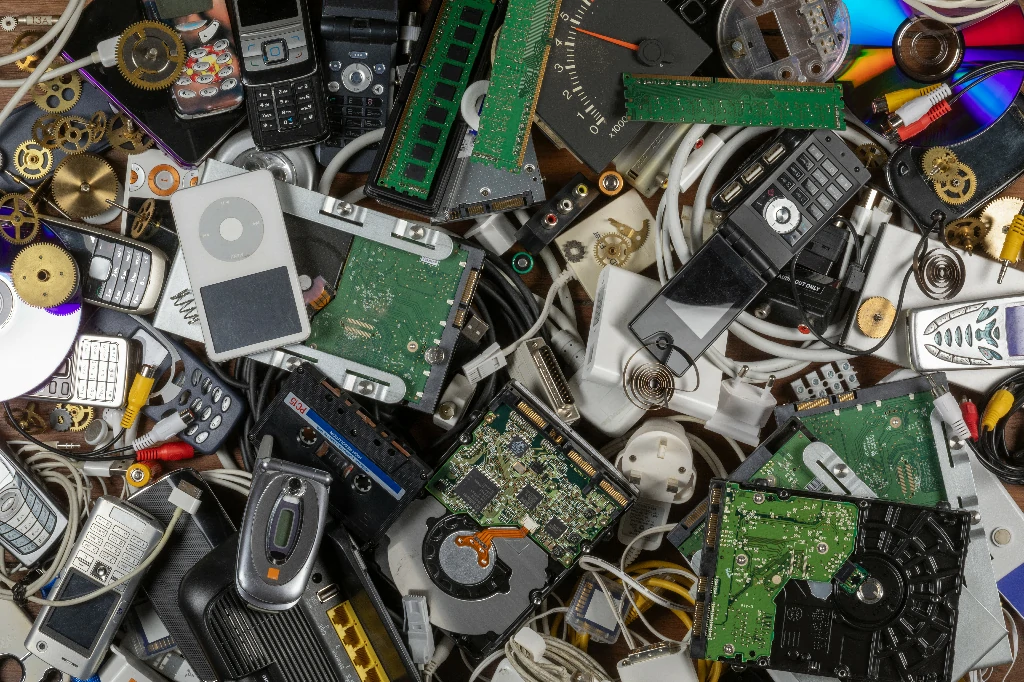
E-waste is a collection of a variety of different electronic devices, some examples are:
Consumer Electronics: Mobile phones, tablets, TV, gaming consoles, and headphones.
Computing Hardware: desktop computers, laptops, screens, keyboards, and printers
Domestic appliances: Refrigerators, washing machines, microwaves, and air conditioners
Industrial and Medical Equipment: Servers, network devices, diagnostic imaging devices, and laboratory devices.
Batteries and Printed Circuit Boards: Printed circuit boards (PCBs), power supply units, lithium-ion batteries.
read more: e-waste policies
The Economic Potential of E-Waste Recycling
While e-waste is a serious environmental matter, it is also a source of economic opportunities. E-waste can be recycled, with recoveries resulting in extracting valuable as well as rare metals that are remanufactured into new devices. Not just does it reduce reliance on mining, it also lowers manufacturing costs in electronics.
Recycling e-waste also generates employment in sectors such as refurbishment, dismantling, as well as material recovery. Proper e-waste management through government as well as private sector involvement gives rise to employment as well as a healthy economy.
read more: effects of e waste on human health
Legislative Measures and Global Efforts
Most countries have established regulations and measures in a bid to address the growing e-waste. Some examples are:
European Union WEEE Directive: The Waste Electrical and Electronic Equipment (WEEE) directive makes producers responsible for collection and recycling of e-waste.
US EPR Programs: The Extended Producer Responsibility (EPR) requirements specify that electronics manufacturers have established in-place recycling programs.
China E-Waste Recycling Programs: As a leading manufacturing nation in electronics, China established national e-waste collection as well as requirements for recycling.
United Nations' Sustainable Development Goals (UN SDGs): The UN appeals for global cooperation in fostering ethical consumption as well as waste minimisation.
read more: enterprise e-waste
E-Waste Management: Challenges and Solutions
Proper management of e-waste requires a multi-faceted approach that involves government, industries, as well as consumer participation. Some challenges are as follows:
Insufficient awareness: The majority of consumers are not familiar with appropriate ways of disposing e-waste. Education activities and awareness drives can promote appropriate waste disposal.
Insufficient Recycling Infrastructure: Many regions lack proper e-waste recycling facilities. Governments and businesses should invest in developing recycling centers and enforcing regulations.
Exporting and dumping: Some companies send e-scrap abroad to be treated in unsafe manners. There is a need for more stringent global regulations as well as more effective enforcement in order to prevent these activities.
Extended Product Responsibility (EPR): The producers are held accountable at the end of life for dealing with their products through take-back schemes as well as recycling.
read more: recycling e-waste can help the environment
Best Practices for E-Waste Disposal and Recycling
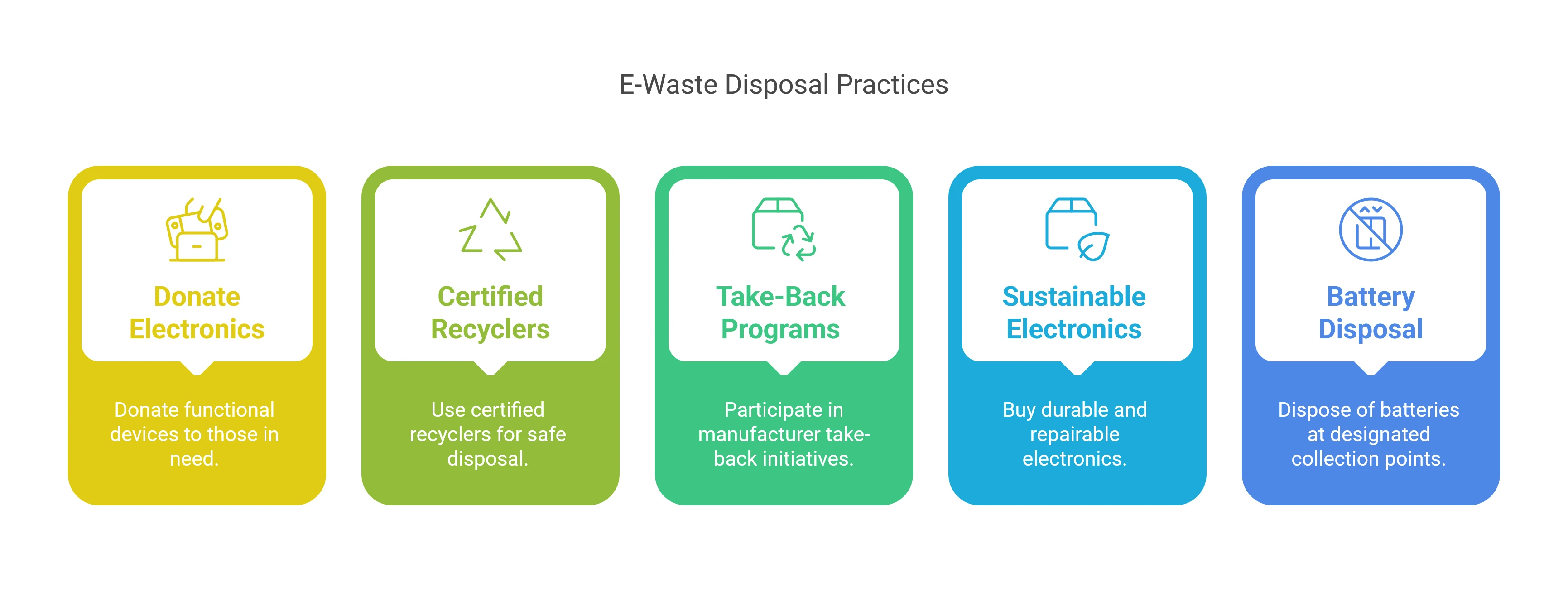
To counteract the adverse effects of e-waste, both businesses and individuals can employ appropriate methods of disposal:
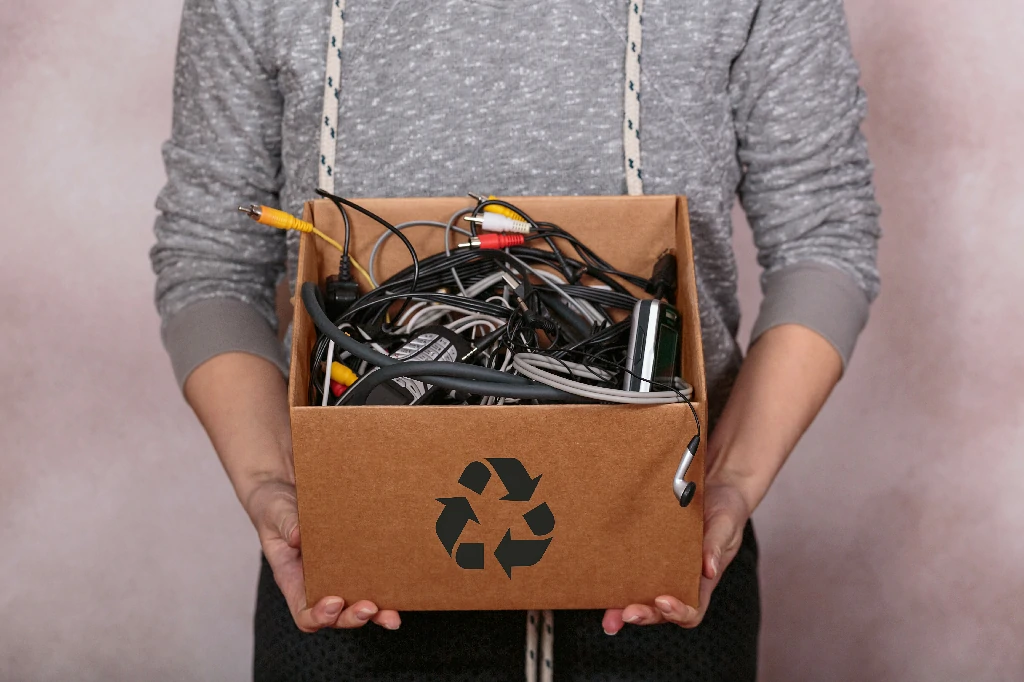
Donate or Resell Functional Electronics: Instead of discarding functional devices, donate these devices to schools, charities, or needy individuals.
Use Certified E-Waste Recyclers: Ensure that e-waste is treated by certified recyclers with environmentally sound processes.
Participate in Take-Back Programs from Manufacturers: Some electronics manufacturers have take-back or trade-in programs in place for older devices.
Reduce Use and Buy Sustainable Electronics: Buy durable, repairable, and upgradability electronics in a bid to minimize waste production.
Proper Disposal of Batteries: Proper disposal at collection points in order not to pose environmental hazards.
- Promote Circular Economy Systems: A circular economy model supports designing more durable goods with more modularity in design, as well as a design that is simple to fix.
The Future of E-Waste Management
With increased development in technologies, e-waste challenges will also intensify. Circular economy solutions in device refurbishment, modularity, and advanced technologies will be critical in countering e-waste's environmental impact. Governments and businesses have a joint role in implementing ecologically sound strategies that will guide us towards a greener future.
Conclusion
E-waste is an escalating global issue that demands urgent attention. Understanding its definition, impact, and proper management methods is key to reducing environmental harm and promoting sustainability. By adopting responsible e-waste disposal and recycling practices, individuals and organizations can contribute to a more sustainable and eco-friendly future. The future of e-waste management lies in innovation, policy enforcement, and collective responsibility, ensuring a cleaner and healthier planet for future generations.

Ask an Expert
Call us 24/7 or submit the form below to speak with one of our specialists.
All fields required
.webp)
_result_result.webp)
.png)