Why Is E-waste Being Shipped To Developing Countries?
Why Is E-waste Being Shipped To Developing Countries?
Every year, the world produces millions of tons of electronic waste or e-waste. They carry highly toxic substances such as lead, mercury, and cadmium. Instead of safely recycling this waste at home, many developed countries choose to ship it overseas, mainly to developing nations in Africa, Asia, and South America.
This might look like an easy way to get rid of unwanted electronics. But the reality is far more troubling. In this article, we’ll explain why e-waste is being shipped to developing countries, what happens when it arrives, and why this global problem matters to all of us.
our services: itad services
Why Companies Ship E-Waste to Developing Countries?
Rich countries avoid the costs and dangers of recycling by sending their waste to developing nations. Here is a list of the reason why is e-waste being shipped to developing countries:
read more: environmental impact of e waste
#1 Cheaper Labor
In rich countries, paying workers to recycle electronics safely is very expensive. In poorer countries, workers are paid very little, so companies save money by sending waste there.
our industries: Healthcare ITAD Services

#2 Weak Environmental Rules
Many developing countries do not have strict laws for waste management. This means e-waste can be dumped, burned, or taken apart in unsafe ways without punishment.
#3 Labeled as “Used Electronics”
A lot of e-waste is exported by calling it “second-hand” or “used” electronics. This trick helps exporters avoid laws that block shipping of toxic waste.
read more: enterprise e-waste
#4 Valuable Metals Inside
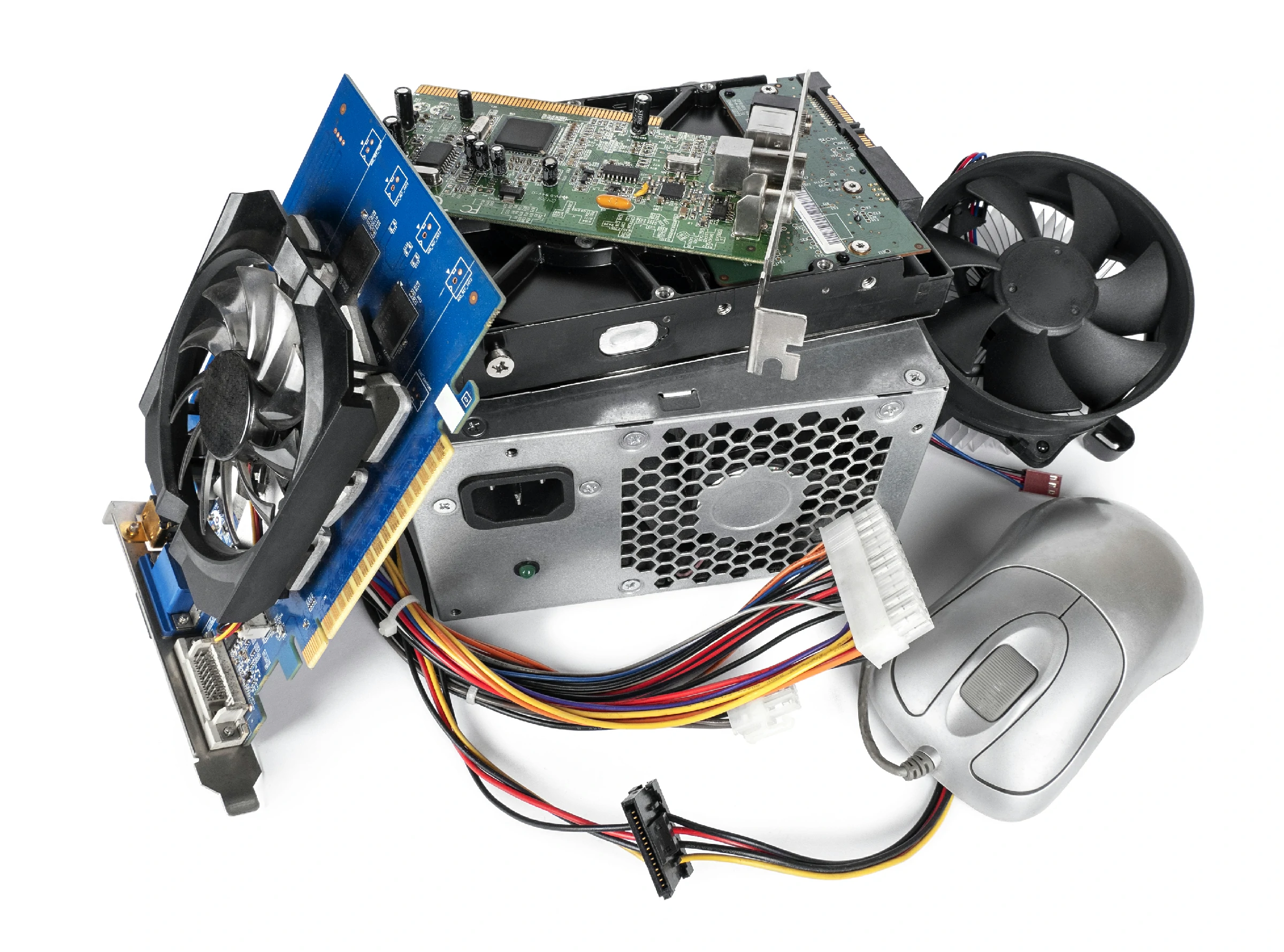
Electronics contain valuable metals like gold, silver, and copper. People in poorer countries pull these out to make money, even if the work is unsafe.
read more: effects of e waste on human health

#5 Cost of Safe Recycling at Home
Running proper recycling centers with modern machines is costly. Exporting e-waste is often cheaper than building and using these facilities in developed countries.
#6 Loopholes in Global Agreements
There is an international law called the Basel Convention that is supposed to stop rich countries from sending toxic waste to poor ones. But some countries, like the United States, never signed it. Others still break the rules by mislabeling shipments.
our services: data destruction services
#7 Demand for Metals
E-waste has small amounts of valuable metals. In many poor countries, workers recover these by burning wires or using acids. This is unsafe, but the high demand for metals like copper and gold keeps the trade going.
read more: e-waste policies
What Happens in Developing Countries?
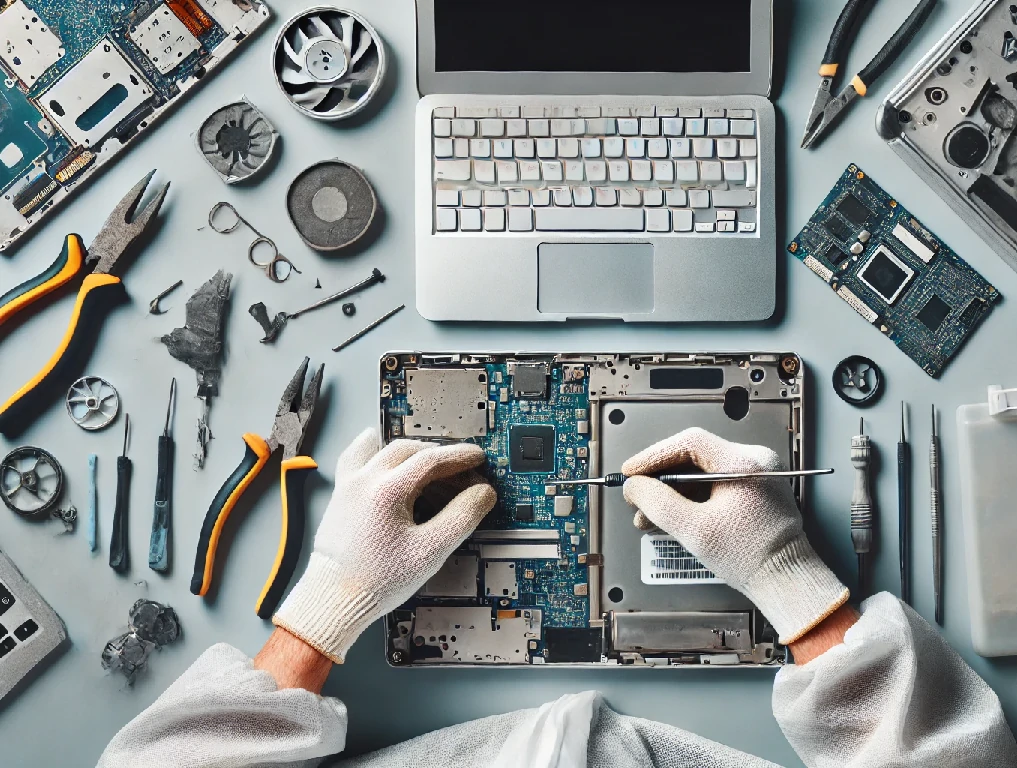
When e-waste arrives, it is usually dismantled in unsafe workshops. Workers may burn plastics to get copper, smash screens by hand, or dump leftover chemicals in rivers or fields.
The results are serious:
read more: recycling e-waste can help the environment
1. Pollution
Soil and water in developing countries become poisoned with chemicals like lead, mercury, and cadmium. This makes farmland, rivers, and even drinking water unsafe.
2. Health & Environmental Damage
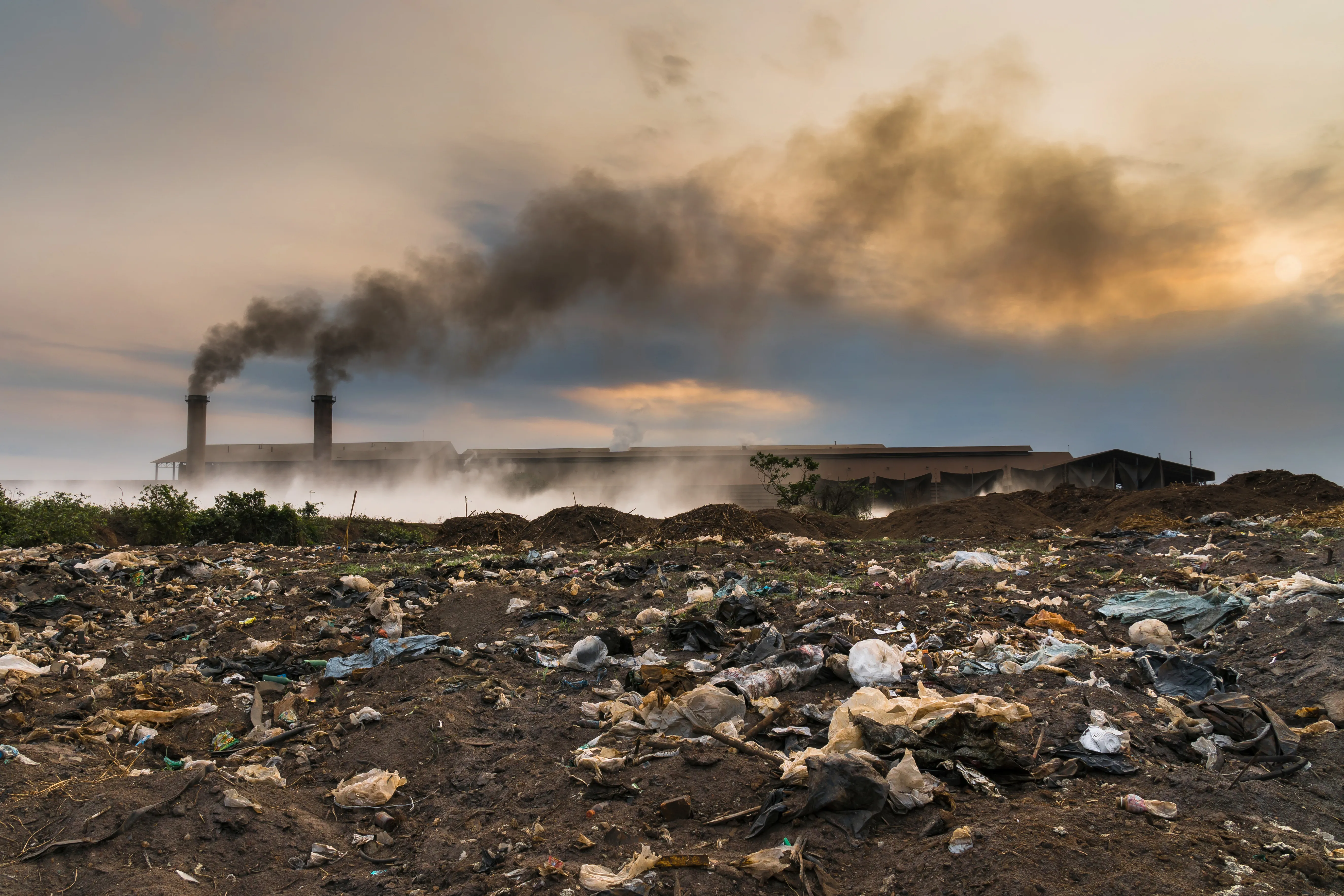
People who handle e-waste—or live near dumps—breathe in toxic smoke and touch harmful chemicals. This leads to lung problems, nerve damage, birth defects, and developmental delays in children. These toxins don’t just harm workers—they make whole communities unhealthy and unsafe.
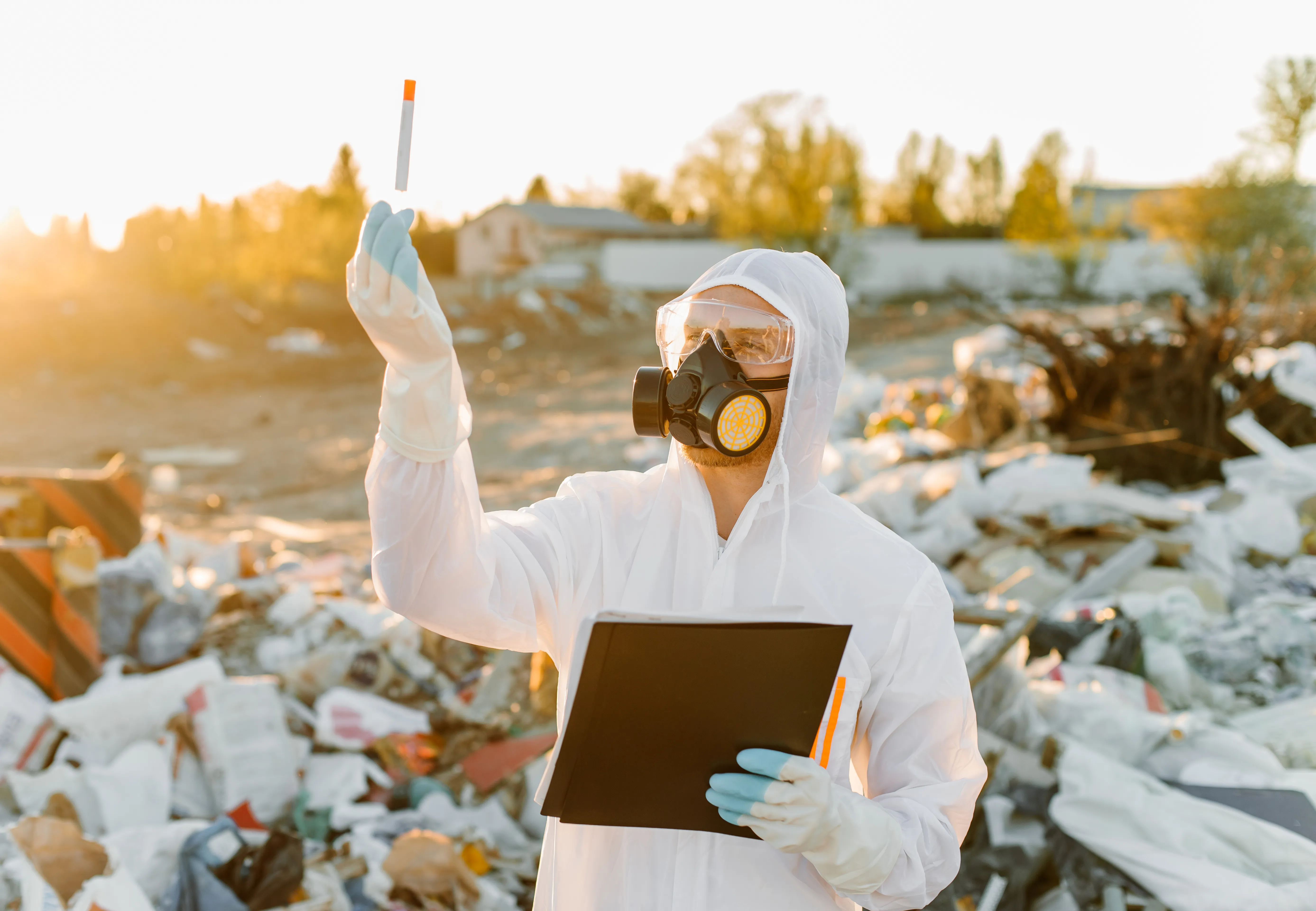
For example; in Guiyu, China, over 80% of children suffer from lead poisoning.
In India, soil in Loni had about 150 times more lead than safe levels, and water in Mandoli had about 710 times the safe limit for mercury.
Moreover, contaminants like lead, mercury, cadmium, dioxins, and flame retardants harm workers' nervous systems, respiratory health, and overall well-being.
3. Community Harm
Whole towns become unsafe places to live because of toxic smoke and contaminated water. Many children work in e-waste dumps, pulling apart wires and burning plastics. This exposes them to dangerous toxins at a young age and keeps them out of school.
_result.webp)
4. Illegal Trade & Corruption
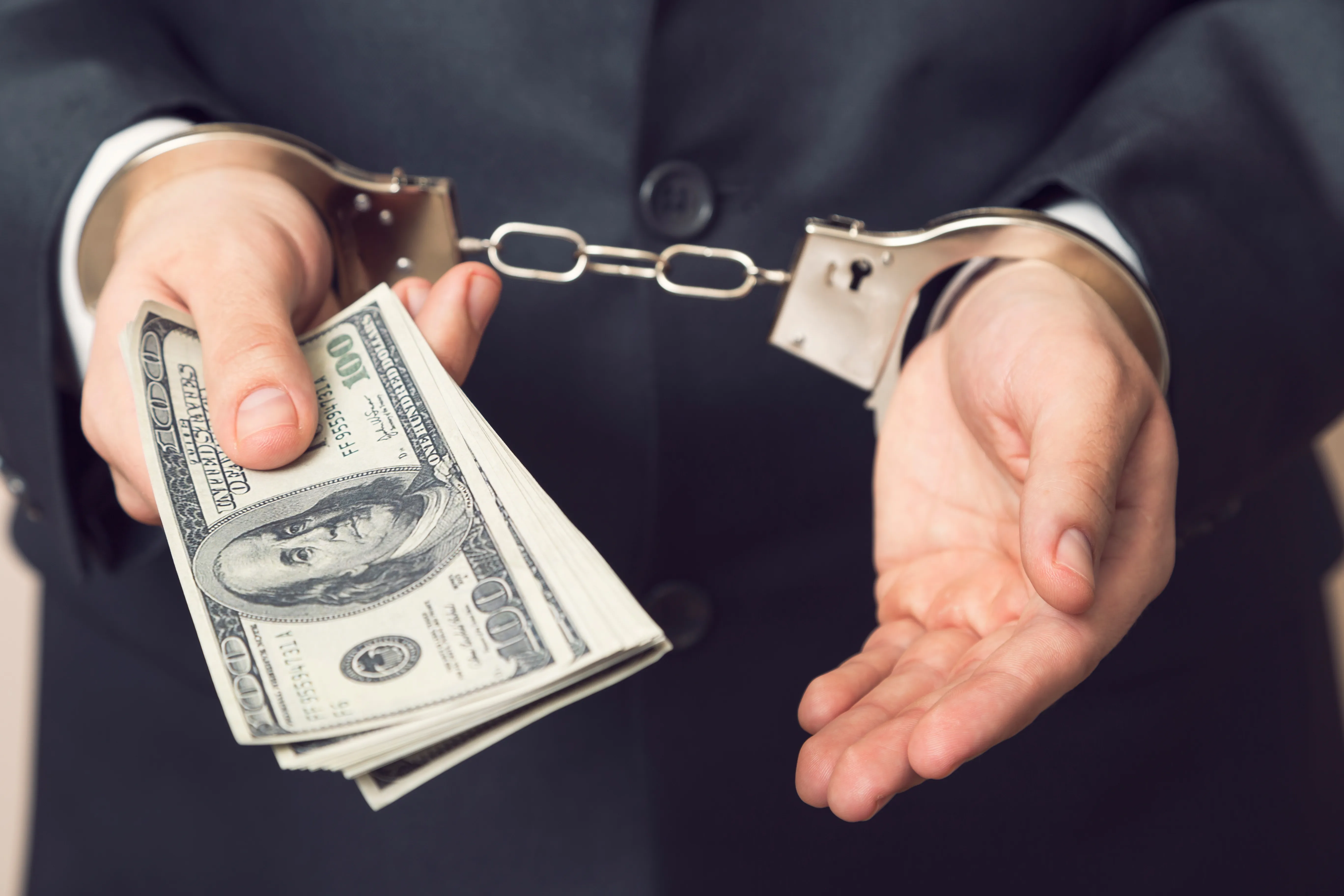
Much of the e-waste trade is illegal. Exporters often mislabel waste as “used electronics,” and weak enforcement in developing countries allows this toxic trade to continue.
What Can Be Done?
Recycle responsibly: Use trusted recyclers that are certified and do not ship waste overseas.
Close loopholes: Governments need to enforce international laws more strictly.
Build better systems: Rich countries should process their own e-waste instead of exporting it.
Raise awareness: People should ask where their old devices go when they recycle them.
Final Words
Sending e-waste to developing countries might save money for rich nations, but it creates pollution, sickness, and unfair risks for poorer communities. To fix this, e-waste must be recycled safely, fairly, and as close to home as possible.

Ask an Expert
Call us 24/7 or submit the form below to speak with one of our specialists.
All fields required
.webp)